
Mailchimp, as of 2026, has firmly cemented its position as more than just an email marketing tool; it's a comprehensive digital marketing platform designed to empower small to medium-sized businesses with an integrated approach to customer engagement. If you're an entrepreneur or SMB leader looking for a user-friendly, scalable solution that goes beyond basic newsletters, this review is for you.
What Is Mailchimp?
Mailchimp is a unified marketing platform that helps businesses manage their audience, build brand presence, and drive sales through various digital channels. It's built for those who need a central hub for email campaigns, website building, social media management, and basic customer relationship management (CRM) functionalities. The platform serves as an all-in-one marketing assistant, simplifying complex tasks for users without extensive technical expertise.
Its core use case revolves around nurturing customer relationships from initial contact through to repeat purchases. From solopreneurs to marketing teams at growing SMBs, Mailchimp offers tools to design campaigns, automate workflows, and analyze performance across multiple touchpoints.
Key Features
Email Marketing & Automation
Mailchimp's drag-and-drop email builder makes campaign creation straightforward, even for beginners. You get access to a vast template library and advanced personalization options. Its customer journey builder allows for sophisticated marketing automation, enabling triggered emails based on user behavior, purchase history, or website activity. This includes abandoned cart reminders and welcome sequences, essential for e-commerce.
Audience Management & Segmentation
The platform includes a foundational marketing CRM to organize contacts, track interactions, and manage audience data. Advanced segmentation capabilities let you group subscribers based on demographics, engagement, and purchase behavior, ensuring targeted messaging. Send time optimization further enhances campaign effectiveness by delivering emails when recipients are most likely to open them.
Website & Landing Page Builder
Beyond email, Mailchimp provides tools to build basic websites and dedicated landing pages. This allows businesses to create conversion-focused pages for specific campaigns or establish a simple online presence directly within the platform, complementing their email efforts without needing separate tools.
Digital Ads & Social Media Management
You can create and manage digital ads (e.g., Google Ads, social media ads) and schedule social media posts across various platforms directly from Mailchimp. This integration streamlines cross-channel campaigns, maintaining brand consistency and reaching customers where they are active.
Analytics & Reporting
Robust reporting features offer insights into campaign performance, tracking key metrics like open rates, click-through rates, and e-commerce conversions. These analytics help users understand what’s working and optimize future marketing strategies.
Pricing
Mailchimp offers several pricing tiers, including a generous free plan, making it highly accessible. As of May 2026, per the official pricing page:
- Free Plan: Allows up to 500 contacts and 1,000 email sends per month. Includes a marketing CRM, website builder, forms & landing pages, and email support for the first 30 days. This is an excellent starting point for new businesses or those with small lists.
- Essentials Plan: Starts at $13/month for 500 contacts. Adds A/B testing, custom branding, and 24/7 email & chat support. Ideal for growing businesses needing more advanced testing and support.
- Standard Plan: Starts at $20/month for 500 contacts. This tier unlocks advanced audience segmentation, send time optimization, behavioral targeting automation, and custom templates. It’s suited for businesses ready to implement more sophisticated automation.
- Premium Plan: Starts at $350/month for 10,000 contacts. Provides advanced segmentation, multivariate testing, and phone support. Designed for larger organizations with complex marketing needs and extensive contact lists.
Prices scale with the number of contacts. Always verify current pricing on the Mailchimp pricing page.
Pros and Cons
Pros:
- Ease of Use: Highly intuitive drag-and-drop interface, especially for email creation.
- Generous Free Plan: Excellent for startups and small businesses to get started with core features.
- Comprehensive Feature Set: Offers email marketing, automation, website building, and social media tools in one place.
- Strong Integrations: Connects with over 300 popular business tools like Shopify, WooCommerce, and Zapier.
- Extensive Template Library: Provides numerous professional templates for emails and landing pages.
Cons:
- Pricing for Scale: Can become expensive for larger contact lists compared to some competitors.
- Interface Complexity: The shift to an "all-in-one" platform can sometimes make the interface feel cluttered for users primarily focused on email.
- Deliverability Concerns: Some users occasionally report deliverability issues, though this can be common across many ESPs.
Who Should Use Mailchimp?
Mailchimp is an excellent fit for small business owners and solopreneurs who need an easy-to-use and affordable solution to kickstart or scale their digital marketing. Its free plan makes it accessible, and the guided interface helps novices quickly create professional campaigns.
Medium-sized businesses can also benefit, particularly those needing sophisticated marketing automation and CRM capabilities without the high cost or complexity of enterprise-level platforms like HubSpot Marketing Hub. E-commerce businesses, in particular, will find its abandoned cart features and integration with platforms like Shopify invaluable.
It's also ideal for teams prioritizing an integrated approach to their digital marketing. If you want to manage emails, social posts, landing pages, and basic customer data from a single dashboard, Mailchimp provides that cohesive experience.
Data at a Glance
| Feature/Metric | Value | Source |
|---|---|---|
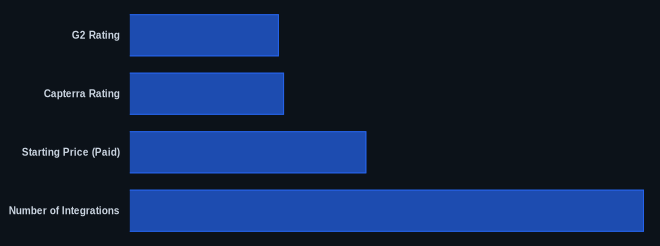
| G2 Rating | 4.3 out of 5 stars | G2.com |
| Capterra Rating | 4.5 out of 5 stars | Capterra.com |
| Starting Price (Paid) | $13/month | Mailchimp Pricing (as of May 2026) |
| Number of Integrations | 300+ | Mailchimp Integrations |
| Free Tier Available | Yes | Mailchimp Pricing (up to 500 contacts) |
Our Take
We've observed Mailchimp's deliberate evolution from an email-centric tool to a broader marketing ecosystem. While this expansion has occasionally led to interface growing pains for long-time users, the core benefit for SMBs is undeniable: a single platform where you can nurture leads, build a web presence, and manage social media without juggling multiple subscriptions. Its continuous innovation, including AI-powered content assistance, suggests it's keenly focused on staying relevant for busy entrepreneurs who need smart, accessible tools.
FAQ
Is Mailchimp still primarily an email marketing tool in 2026?
While email marketing remains a core strength, Mailchimp has significantly expanded to become a comprehensive marketing platform, offering website builders, social media management, digital ad creation, and a basic CRM to support a wider range of marketing activities.
How does Mailchimp's pricing compare for growing businesses?
Mailchimp offers a strong free plan and competitive starting prices for its paid tiers. However, for businesses with very large contact lists, the cost can become less competitive compared to some alternatives like Constant Contact or ActiveCampaign, which might offer more aggressive bulk pricing.
Can Mailchimp handle advanced marketing automation for e-commerce businesses?
Yes, Mailchimp offers robust marketing automation capabilities, including customer journey builders, behavioral targeting, and integrations with popular e-commerce platforms like Shopify and WooCommerce, making it well-suited for advanced e-commerce strategies such as abandoned cart recovery and post-purchase sequences.
