For high-volume outbound sales teams needing native calling, SMS, and an AI sales agent, Close delivers unmatched efficiency, while Pipedrive remains the go-to for visual pipeline management, broader integrations, and predictable, budget-friendly pricing for activity-based selling.
TL;DR: Pipedrive vs Close CRM
| Feature | Pipedrive (as of July 2026) | Close (as of July 2026) |
|---|---|---|
| Key Strength | Intuitive visual pipeline, activity-based selling, extensive integrations, affordability. | Native, high-volume outbound calling and SMS, built-in communication, AI-powered sales assistance (Chloe AI). |
| Ideal For | Small to mid-sized B2B sales teams, field sales, businesses prioritizing visual process. | SDR/BDR teams, inside sales, fast-growing startups, businesses with heavy phone/SMS outreach, remote teams. |
| Starting Price | €14/user/month (annual, Lite plan, as of July 2026, per the official pricing page) | $9/user/month (annual, Solo plan, as of July 2026, per the official pricing page) |
| G2 Rating | 4.2/5 (1,594+ reviews) | 4.7/5 (1,900+ reviews) |
| Unique AI | AI-powered email tools, smart lead scoring (Premium/Ultimate plans). | Chloe AI Sales Agent (launched June 2026) for email drafting, call summarization, pipeline insights, AI voice (coming Spring 2027). |
| Integrations | 500+ integrations via Marketplace. | Native focus on communications, fewer direct integrations, but solid API. |
| Free Plan | No permanent free plan, but offers a free trial. | No permanent free plan, but offers a free trial. |
| Primary Focus | Sales process management from lead to deal. | Maximizing sales rep productivity through integrated communication and automation. |
| G2 Reviews | Pipedrive on G2 | Close on G2 |
| Pricing Source | Pipedrive Pricing | Close Pricing |
What Is Pipedrive?
Pipedrive helps small and mid-sized businesses visualize and manage their sales pipeline. It guides sales reps through each stage of a deal with clear next steps and reminders. The platform makes complex sales processes simple to understand and execute, which is great for teams that want a clear, drag-and-drop interface for tracking deals.
This tool keeps reps focused on high-impact activities, ensuring no lead falls through the cracks. It's a good fit for businesses that need a system to reinforce good sales habits and provide a quick overview of sales progress.
What Is Close?
Close is an inside sales CRM built for speed and efficiency, especially for high-volume outbound teams. It integrates communication tools—calling, SMS, and email—natively within the platform, removing the need for separate tools. The platform lets sales development representatives (SDRs) and account executives (AEs) make more calls, send more messages, and manage leads faster.
The launch of Chloe AI in June 2026 solidifies its position as an AI-powered sales assistant. This makes it a strong solution for teams looking to automate routine tasks and increase productivity through intelligent automation. It prioritizes keeping reps in the CRM and communicating with prospects without interruption.
Key Features
When evaluating sales CRMs, the devil is in the details of their feature sets. While both tools offer core CRM functionalities, their approach to communication, AI, and overall sales enablement differs significantly.
Sales Pipeline Management
Pipedrive is known for its highly customizable visual sales pipeline. You can drag and drop deals between stages, making it intuitive to manage progress. This visual clarity helps sales managers understand team performance at a glance and quickly identify bottlenecks. It's an activity-driven CRM, meaning it prompts reps to complete specific actions to move deals forward, reinforcing a structured sales process.
Close also offers pipeline management, but its interface is less visually oriented than Pipedrive's. The platform prioritizes efficiency in communication and task management. Sales teams can create multiple pipelines and track leads effectively, though the emphasis is more on getting the outreach done than on the visual flow of deals across stages. Its Smart Views allow for highly filtered lists of leads, keeping reps focused on the most relevant prospects.
Communication & Outreach
This is where Close truly excels. It includes built-in Power and Predictive Dialers, which significantly change how high-volume outbound sales teams operate. You can call prospects directly from the platform, log calls automatically, and even listen to recordings. Native SMS messaging and email capabilities mean reps don't have to switch between applications. This unified inbox and multi-channel sequencing capability saves immense amounts of time.
Pipedrive offers email integration and some automation, but it does not have native calling or SMS at the same solid level. Teams often need to integrate third-party dialers or communication tools, which can add complexity and cost. For field sales or teams that don't rely heavily on phone-based outreach, its email and activity scheduler are sufficient, but it's not designed for rapid-fire calling.
AI Capabilities
Pipedrive introduced AI-powered email tools in its Growth plan (as of February 2026) and beyond, assisting with drafting and optimizing messages. Its Premium and Ultimate tiers (as of February 2026) also include custom scoring and company data enrichment, using AI to help reps prioritize leads and understand prospect intent better.
Close made a significant leap with the launch of Chloe AI Sales Agent in June 2026. This AI assistant automates routine sales tasks. It drafts emails, summarizes call transcripts, and provides pipeline insights. According to the product roadmap, AI voice capabilities are expected in Spring 2027, which will further integrate AI into the core communication process. For teams looking for a true AI sales co-pilot, Close is moving aggressively in this direction.
Lead Management & Enrichment
Both platforms offer contact and lead management. Pipedrive includes lead generation tools via its LeadBooster add-on (starting at $32.50/month, as of July 2026) and company data enrichment on its Premium plan (as of February 2026). It focuses on helping you find new leads and get more context on existing ones.
Close provides unlimited contacts and leads from its Essentials plan ($35/user/month, as of July 2026). While it doesn't offer native lead generation add-ons in the same way, its focus is on making the most of the leads you already have through efficient outreach. The tool's ability to quickly log interactions and create follow-up tasks ensures leads are managed actively.
Integrations & Ecosystem
Pipedrive has an integration marketplace with over 500+ integrations. This makes it adaptable to existing tech stacks, whether you need connections to marketing automation, accounting software, or customer support tools. This broad ecosystem is a major advantage for businesses that rely on many tools.
Close, while offering integrations, prioritizes its native built-in communication stack. Its philosophy is to keep reps inside the platform to maximize productivity. While it offers an API for custom integrations, its direct marketplace isn't as expansive. For teams heavily invested in the Google Workspace or Microsoft 365 ecosystems, both platforms offer good synchronization, but Pipedrive's reach is broader for specialized tools.
Reporting & Analytics
Pipedrive offers solid reporting and analytics, allowing sales managers to track key metrics like deal velocity, conversion rates, and activity completion. You can create custom reports to gain deep insights into your sales process, which is critical for optimization.
Close also provides reporting, but some users note limitations compared to Pipedrive, especially in lower tiers. The platform focuses on activity metrics related to calls, emails, and SMS, helping managers monitor rep productivity. While it offers good insights into communication volumes, if you need highly granular, customizable reports across many sales metrics, Pipedrive might offer more out-of-the-box. According to a Capterra user: "Pipedrive is great, it has a lot of features. But we sensed as we wanted to grow prospecting efforts, its features were limited. We could build a remote sales team with Close in a more scalable way."
Pricing
Understanding the cost structure is crucial, especially for SMBs where every dollar counts. Both Pipedrive and Close offer tiered pricing and free trials, but neither has a permanent free plan.
Pipedrive Pricing (as of July 2026)
Pipedrive restructured its pricing in February 2026, consolidating plans and renaming them. Annual billing consistently offers lower prices than monthly.
Source: Pipedrive Pricing Page, July 2026
- Lite: €14/user/month (annual billing, as of July 2026). This plan provides core CRM functionality, pipeline management, and activity tracking. It’s a solid starting point for small teams focused on organizing their sales process.
- Growth: €39/user/month (annual billing, as of July 2026). This tier adds automation features, more advanced reporting, and AI email tools. It's designed for growing teams needing to speed up repetitive tasks.
- Premium: €49/user/month (annual billing, as of July 2026). This plan significantly enhances lead generation and routing, custom scoring, company data enrichment, contracts, and e-signatures. It’s ideal for teams looking to automate more of their sales cycle and handle legal documents.
- Ultimate: €79/user/month (annual billing, as of July 2026). The top tier offers fortified account security, phone and email data enrichment, a sandbox testing account for safe configuration changes, and extended phone support. This plan targets larger organizations needing advanced security and dedicated support.
Pipedrive also offers several add-ons, charged per company:
- LeadBooster: Starting at $32.50/month (as of July 2026). For prospecting and lead generation.
- Campaigns: Starting at $13.33/month (as of July 2026). For email marketing.
- Projects: Starting at $6.67/month (as of July 2026). For project management alongside sales.
- Web Visitors: Starting at $41/month (as of July 2026). To identify anonymous website visitors.
- Smart Docs: Starting at $32.50/month (as of July 2026). For document management and e-signatures.
These add-ons can significantly increase the total cost, especially if you need several of them.
Close Pricing (as of July 2026)
Close offers four main paid tiers, all per-user with annual billing. A key consideration is that built-in calling often incurs usage-based costs on top of the subscription fee.
Source: Close Pricing Page, July 2026
- Solo: $9/user/month (annual billing, as of July 2026). Designed for individual operators, this plan includes 500 AI credits, core CRM, built-in calling, email, and SMS. It’s an affordable entry point for solo entrepreneurs.
- Essentials: $35/user/month (annual billing, as of July 2026). For small teams, this tier provides 1,000 AI credits, unlimited contacts and leads, multiple pipelines, and built-in calling, SMS, and email. This is where the platform starts to shine for team collaboration.
- Growth: $99/user/month (annual billing, as of July 2026). This plan boosts AI credits to 1,500, adds automated workflows, and includes the Power Dialer. Teams focused on increasing outbound call volume will find this tier valuable.
- Scale: $139/user/month (annual billing, as of July 2026). The most advanced plan offers 2,000 AI credits, a predictive dialer for maximum efficiency, and advanced permissions for larger, more complex sales organizations.
Hidden Costs & Considerations
Pipedrive's pricing is generally more predictable, with clear per-user costs and optional add-ons. The per-company add-ons can increase the total, but they are clearly outlined.
Close's built-in calling, while a major benefit, comes with usage-based billing. Outbound calling minutes are charged at $0.02 per minute (as of July 2026). For high-volume teams, this can add $100-$200/month per rep or more, depending on call activity. This gets expensive fast. It’s essential to factor these usage costs into your budget.
Onboarding, training, and data cleaning are also general costs when switching CRMs. Data migration from Pipedrive to Close is usually straightforward via CSV exports, but it still requires time and effort.
Pros and Cons
Both CRMs have distinct strengths and weaknesses that make them suitable for different types of sales organizations.
Pipedrive Pros & Cons
Pros:
- Highly Visual Pipeline: The drag-and-drop interface is intuitive and makes deal tracking easy.
- User-Friendly: Praised for its ease of use and quick setup, making adoption smoother for new teams.
- Affordable Entry Point: The Lite plan at €14/user/month (as of July 2026) offers great value for core CRM.
- Extensive Integrations: Over 500+ integrations mean it plays well with a vast ecosystem of tools.
- Activity-Based Selling: Excellent for enforcing a structured sales process and keeping reps focused.
- Solid Reporting: Strong analytics help managers monitor performance and optimize processes.
Cons:
- Limited Native Communication: Requires third-party integrations for advanced calling or SMS features.
- Email Functionality: Moderate email features compared to platforms with deeply integrated communication.
- Scalability for Outbound: Can become cumbersome for high-volume outbound calling or multi-channel prospecting without numerous add-ons.
- Advanced Features in Lower Tiers: Some desired functionalities are locked behind higher-priced plans or add-ons.
Close Pros & Cons
Pros:
- Native Built-in Communication: Power Dialer, Predictive Dialer, SMS, and email are all integrated, boosting rep efficiency.
- Chloe AI Sales Agent: A powerful AI assistant for drafting emails, summarizing calls, and pipeline insights (launched June 2026).
- Speed and Efficiency: Designed for high-volume sales activities, cutting the steps for reps to switch contexts.
- Unified Inbox: All communications are centralized, simplifying follow-ups and lead management.
- Excellent for Remote & Inside Sales: Perfect for teams heavily reliant on phone and digital communication.
- High User Satisfaction: A G2 Rating of 4.7/5 (as of July 2026) indicates strong user approval for its core strengths.
Cons:
- Usage-Based Calling Costs: Per-minute charges for outbound calls can significantly increase the total bill (at $0.02 per minute, as of July 2026).
- Higher Price Point: Plans quickly become more expensive, especially the Growth and Scale tiers.
- Less Visual Pipeline: The pipeline management is functional but less intuitive visually compared to Pipedrive.
- Limited Customization (lower tiers): Some advanced customization options are only available in higher plans.
- Fewer Direct Integrations: While API is solid, its direct integration marketplace is smaller than Pipedrive's.
- Reporting Limitations: Some users report less comprehensive or customizable reporting compared to competitors.
Who Should Use Pipedrive?
Pipedrive is the ideal choice for small to mid-sized B2B sales teams that benefit from a clear, visually driven sales process. If your team relies on a structured, activity-based approach, and your sales cycle involves multiple stages where deals progress step-by-step, the platform will fit well. It's particularly strong for:
- Field Sales Teams: Who need to track deals and activities on the go, with less emphasis on high-volume native calling.
- SMBs with Predictable Sales Processes: Where clarity in the pipeline and ease of use for new reps are paramount.
- Businesses Prioritizing Integrations: If you need your CRM to connect with a wide array of marketing, accounting, or support tools (like HubSpot for marketing automation or QuickBooks for finance), Pipedrive's marketplace is a huge advantage.
- Budget-Conscious Teams: Its base plans offer excellent value for core CRM functionality without the potential for unexpected usage-based costs.
If you’re moving from spreadsheets or an older, clunkier CRM and want something intuitive and visually appealing to manage your sales funnel, Pipedrive is a strong contender.
Who Should Use Close?
Close is purpose-built for high-velocity inside sales and sales development (SDR/BDR) teams. If your sales strategy relies heavily on outbound calls, SMS, and email sequences, and your reps need to reach a large volume of prospects quickly, this is the tool for you. It's particularly well-suited for:
- SDR/BDR Teams: Who spend their days making calls and sending personalized outreach at scale.
- Remote Sales Teams: Its unified communication platform simplifies collaboration and oversight for geographically dispersed teams.
- Fast-Growing Startups: That need to scale their outbound efforts rapidly and efficiently without patchwork solutions.
- Teams Embracing AI for Sales: With Chloe AI offering real-time assistance (launched June 2026), teams looking to use artificial intelligence to boost productivity and personalize outreach will find immense value.
- Businesses Wanting a Unified Communication Hub: If you despise switching between a separate dialer, email client, and SMS tool, Close provides an all-in-one solution.
If your sales success hinges on maximizing rep talk time and contact rates through integrated communication channels, Close will significantly increase your team's output.
Data at a Glance
| Metric | Pipedrive | Close | Source |
|---|---|---|---|
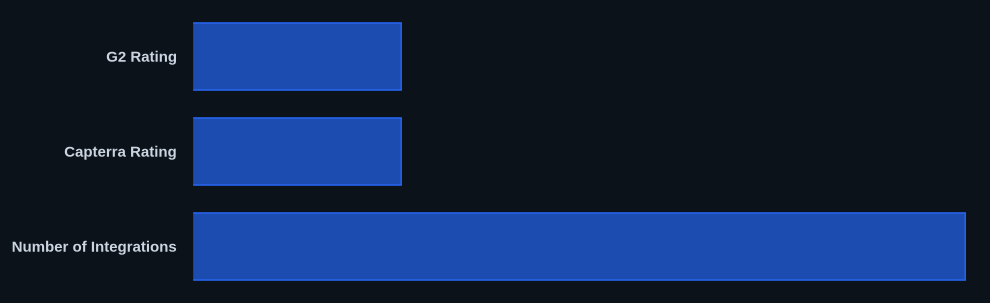
| G2 Rating | 4.2/5 (1,594+ reviews) | 4.7/5 (1,900+ reviews) | Pipedrive on G2, Close on G2 |
| Capterra Rating | 4.5/5 (3,040 reviews) | 4.7/5 (164 reviews) | Pipedrive on Capterra |
| Starting Price | €14/user/month (annual, Lite plan, as of July 2026) | $9/user/month (annual, Solo plan, as of July 2026) | Pipedrive Pricing, Close Pricing |
| Number of Integrations | 500+ | Native focus, fewer direct marketplace integrations, solid API. | Pipedrive Marketplace |
| Native Dialers | No, requires add-ons or integrations. | Yes (Power Dialer, Predictive Dialer). | Close Features |
| AI Sales Agent | AI email tools, smart lead scoring (Premium/Ultimate plans). | Yes, Chloe AI (email drafting, call summarization, pipeline insights, AI voice coming soon). | Close AI Sales Agent (as of June 2026) |
| Free Plan | No (Free Trial offered). | No (Free Trial offered). | Pipedrive.com, Close.com |
Our Take
We've seen countless sales teams wrestle with their CRM choice, and what stands out here is the clear differentiation. Pipedrive is a solid, well-integrated system for managing a classic sales funnel, but Close aggressively builds the future for outbound teams. Yes, Close's per-minute calling costs can sting. But if your sales engine thrives on making hundreds of calls a day, that cost is often a small price to pay for the efficiency and productivity gains its native dialer and Chloe AI deliver. A G2 reviewer noted: "We were able to easily import all the old leads from Pipedrive to Close. All of our sales reps were very happy with Close just after a couple of weeks." For teams ready to truly scale their outreach and use AI for competitive advantage, Close is the obvious, albeit pricier, choice.
If you're an outbound sales team, do the native dialer and AI features of Close justify its higher cost and per-minute charges compared to Pipedrive's more predictable pricing?
FAQ
Q: Is it easy to switch from Pipedrive to Close?
A: Many users report that switching from Pipedrive to Close is relatively straightforward, often involving CSV exports of your contacts and deals from Pipedrive and importing them into Close. Close also offers support to assist with data migration. The main challenge will be adjusting your team to Close's more communication-centric workflow and potentially higher usage-based costs for calling. As one user noted: "I moved from Pipedrive to Close, so it's a great comparison and it was simple to implement all the existing views/flows I had in Pipedrive."
Q: Which platform offers better AI for sales teams?
A: As of July 2026, Close offers a more advanced and integrated AI solution for sales teams, primarily through its Chloe AI Sales Agent (launched June 2026). Chloe assists with email drafting, call summarization, and pipeline insights, with AI voice capabilities planned for Spring 2027. Pipedrive offers AI-powered email tools and smart lead scoring, but its AI focus is more on optimizing existing processes rather than providing a comprehensive AI sales agent. If advanced AI assistance for communication is a priority, Close is ahead.
Q: How do the pricing models compare for growing teams?
A: For growing teams, Pipedrive generally offers more predictable pricing with its tiered per-user annual fees and clearly defined add-ons. You know what you'll pay upfront. Close's pricing, while starting very affordably with the Solo plan ($9/user/month, as of July 2026), scales up quickly in its higher tiers, and critically, introduces usage-based calling costs (at $0.02 per outbound minute, as of July 2026) that can accumulate significantly for high-volume sales teams. This makes Close potentially more expensive for aggressive outbound growth, but the increased productivity might justify the cost. Always calculate potential usage costs before committing.